
AI marketing is not prompting. It is systems.

Teams getting real lift from AI aren't writing better prompts — they're wiring brand kit, data model, and CMS into a feedback loop that learns every week.

I get this question every week: “What is your favorite prompt?” The honest answer is I do not have a favorite prompt, because the prompt is not where the leverage is.
“AI marketing is not a prompt. It is a system.”
The three loops that matter
Every AI-native marketing team I have seen work at scale has wired three loops. Most teams have zero.
Loop 1 — Brand kit → every output
Your palette, typography, style guide, voice rules, banned words, product names — all of it needs to live in one canonical place every tool reads from. Not a Google Doc that gets stale. A structured config the AI uses automatically.
Loop 2 — Output → metrics → next output
Every published piece has to come back with attribution:
- Did Google index it? How fast?
- Is it ranking for the target query? Where?
- Is it cited in ChatGPT, Gemini, Claude, or Perplexity?
- Is it driving pipeline — or just traffic?
Without this loop you cannot improve. With it, every week the system tells you which angles are winning and which to stop producing.
Loop 3 — Cross-channel amplification
A 2,400-word post should ship as a LinkedIn thread, an X thread, a YouTube Short script, and a newsletter section — not manually, by default. If repurposing takes a human 3 hours per article, it will not happen. If it is a button, it becomes the baseline.
What the system looks like in practice
| Layer | Without a system | With a system |
|---|---|---|
| Brand kit | In a PDF nobody reads | Structured config every tool pulls |
| Briefs | Written by hand in Docs | Generated from brief + brand kit + SERP |
| Images | Stock or paid designer | Brand-locked AI, .webp, alt text auto |
| Publishing | Copy-paste to CMS | One-click to Webflow/WordPress |
| Measurement | Rankings only | Indexation + rankings + AI citations + pipeline |
| Amplification | Rarely happens | Nine channels, one run |
Where to start
- Write down your brand kit as structured data (not prose)
- Pick one tool or OS that reads it across every module
- Ship 10 pieces inside the system, measure indexation velocity
- Add AI visibility tracking in week 3
- Add repurposing in week 4 — only after the base loop works
The prompt is the last mile. The system is the road. What an AI growth operating system looks like.
Frequently asked questions
Why are most AI content experiments failing to move revenue?+
They start and end at the draft. A team generates 50 posts, ships them, and never closes the loop to indexation, rankings, citations, or conversion. Without that feedback, the model never learns what works for that brand.
What is the minimum to move from AI tools to AI systems?+
Three things: a canonical brand kit all tools read from, a shared data model (keywords, briefs, URLs, metrics), and weekly review of which pieces won. Without those, AI just accelerates the old broken workflow.
Do agencies or in-house teams win with AI?+
In-house teams with clear brand ownership win. Agencies can move faster but almost always lose brand voice. The winning model is an in-house owner + AI operating system + occasional specialist help.
How long until you see revenue impact?+
Indexation: days. Rankings movement: 4–8 weeks for competitive terms. AI citations: 2–6 weeks if the passages are right. Revenue lift: 1–2 quarters for a well-wired system. Faster than traditional SEO.
Where does paid fit in?+
Paid amplifies content that already works organically. Test organic first. If a piece is getting indexed fast and cited, push paid traffic to it. Never paid-boost a page that does not earn its own traffic.
Follow SEOTopSecret on LinkedIn
Weekly posts on AI SEO, GEO, and growth operating systems. No fluff.
Set SEOTopSecret as a preferred source
See more of our coverage in Top Stories on Google.
Keep reading

Why I built SEOTopSecret
After 25 years leading senior SEO for 100+ brands across four continents, the bottleneck was never the work — it was encoding how a senior consultant thinks so that thinking could run 24/7.
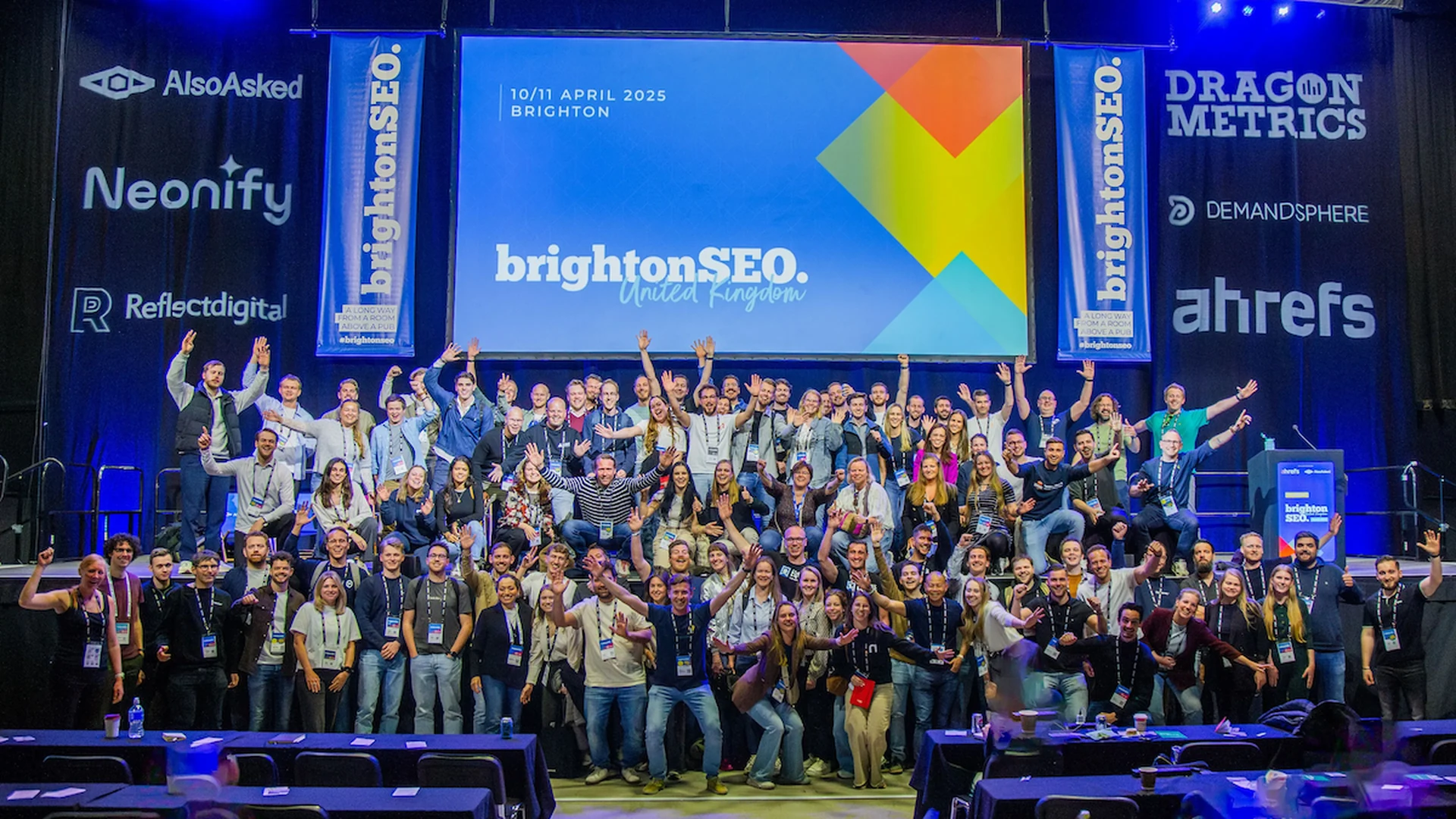
SEO conferences 2026
The curated guide to the global and regional SEO 2026 conferences every SEO, SEM, or AI SEO professional should weigh — with an ROI framework to decide which ones earn the spend.

Coworking near me
Searching coworking near me usually means a meeting tomorrow, a hybrid team that needs a base, or a founder tired of working from the kitchen counter — three different problems with three different answers. This guide ranks verified spaces in the seven largest US coworking markets.