
Blog
AI SEO, growth, and brand signal for Australian teams.
Playbooks, launches, and interviews from the team building the AI growth operating system.


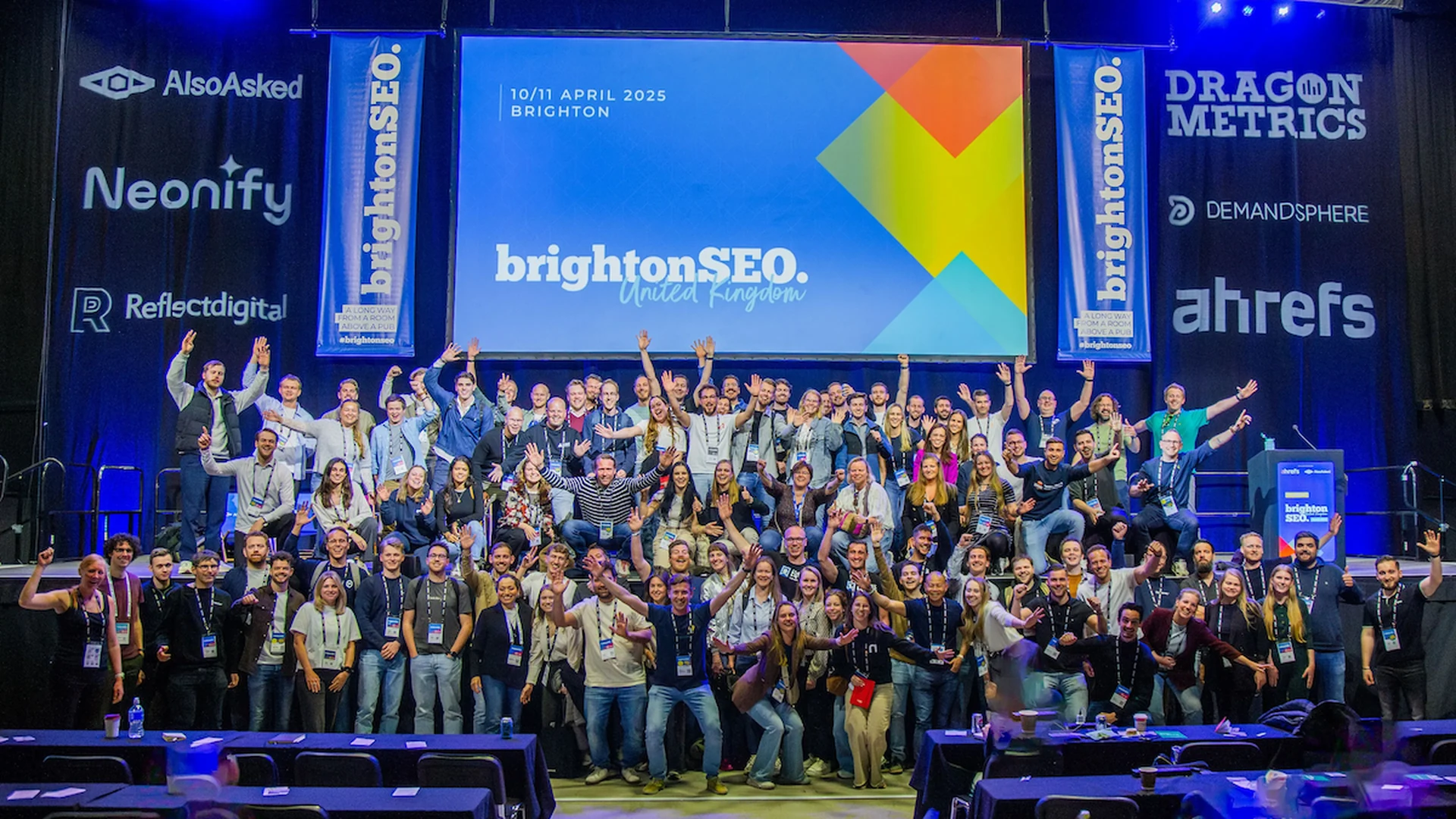
SEO conferences 2026
The curated guide to the global and regional SEO 2026 conferences worth attending — with an APAC and Australian lens, plus an ROI framework for each event.
SEO for ChatGPT
SEO for ChatGPT is optimising a brand's digital presence so its content and authority are interpreted, cited and recommended by AI systems when someone asks about your category.

SEO ROI
The real formula for SEO ROI with a calculator covering 6/9/12-month ramp-up, organic CAC, payback, and a framework to defend the investment in any finance committee.

AI SEO Tools
AI SEO tools are reshaping how brands capture demand in AI Overviews, ChatGPT and Perplexity — see which platforms drive citations, rankings and revenue.
SEO playbook for 2026
The SEO playbook for 2026 reorganises the discipline around seven operational moves — AI visibility, entity clarity, citable passages, architectural schema, video as training data, indexation velocity, and auditable brand signals — all measurable from day one.
SEO experts
Hiring the wrong SEO expert in 2026 costs six figures and twelve months of lost compounding — this is the framework to tell a real operator apart from the keyword-density crowd, with the questions, signals and red flags that separate senior work from theatre.
SEO vs UX
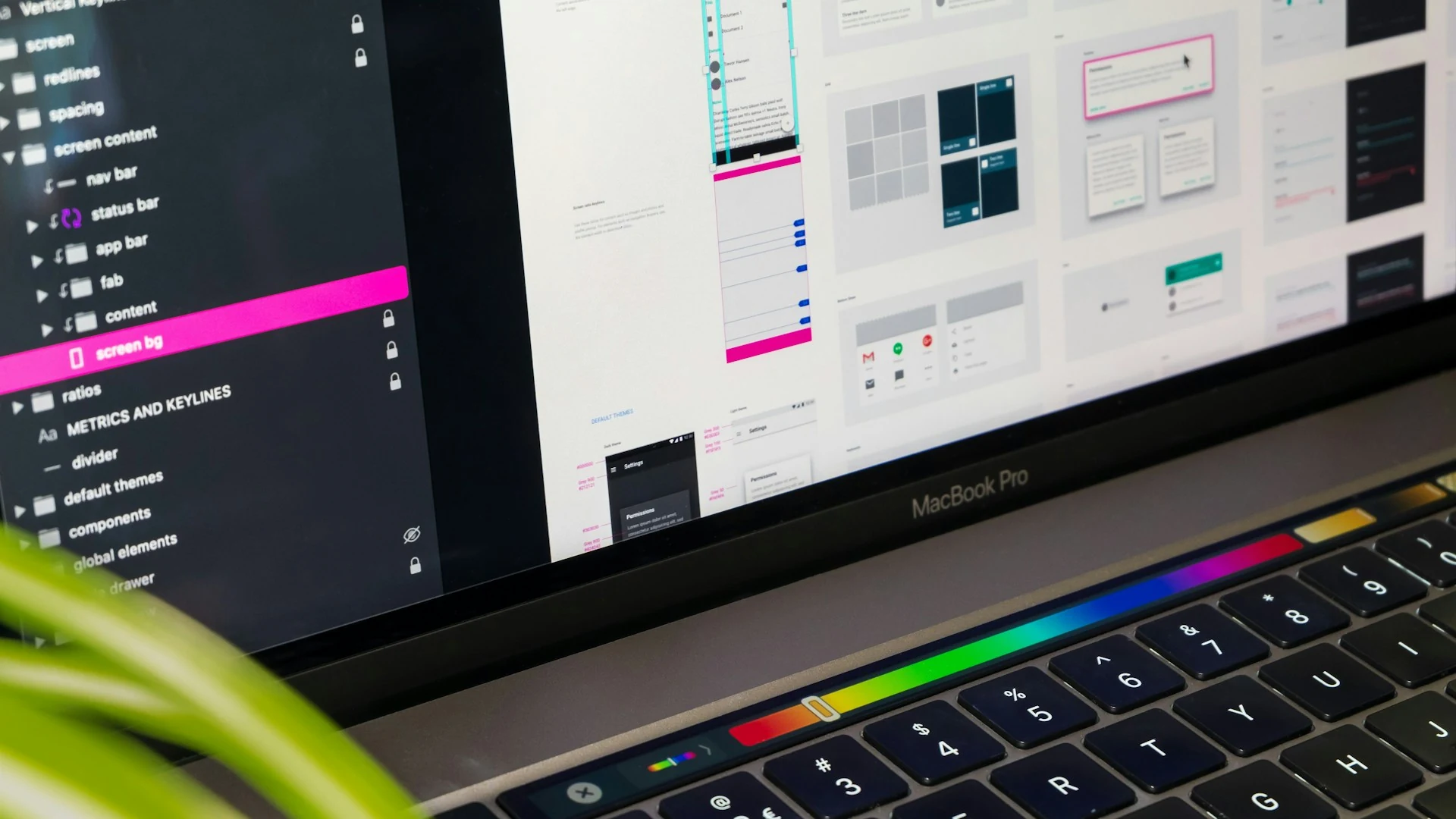
SEO vs UX stopped being two disciplines fighting for the same budget — in 2026 the same work serves both, and the Australian brands that lock it in a single operation are the ones winning rankings and citations at the same time.

SEO for Startups
SEO for startups in 2026 is a different sport than SEO for incumbents: every month of runway burned without organic compounding is a month closer to a forced fundraise.
Types of SEO
Modern search splits into ten disciplines — on-page, off-page, technical, local, content, ecommerce, international, voice, video, and AI SEO — and the types of SEO that move revenue in 2026 are the ones running together, not in silos.

Best SEO Agency in Sydney
The practical framework for picking the best SEO agency in Sydney without falling for the self-proclaimed-best trap: eight criteria that matter in 2026 and the red flags to walk away from.

Google's New AI Search Box
Google just rebuilt the search box for the first time in a generation — and for Australian businesses, the box is no longer where the click starts. It is where the answer ends.

Coworking near me
Searching coworking near me usually means a meeting tomorrow, a hybrid team that needs a base, or a founder tired of working from the kitchen bench — three different problems with three different answers. This guide ranks verified spaces in every Australian state and territory.

What is B2B Marketing
B2B marketing in 2026 is people selling to people inside organisations that decide by consensus — not companies selling to companies.

Digital Marketing Metrics
This guide separates the digital marketing metrics that move the business (CAC, LTV, ROI, CPL and conversion by channel) from the ones that only feed the ego.

How to Replace Your SEO Agency
Most Australian SEO is sold by generalist agencies and white-laboured offshore. Here is how to bring it in-house — the AUD math, the migration, and what to keep an agency on retainer for.
SEO Services for WordPress
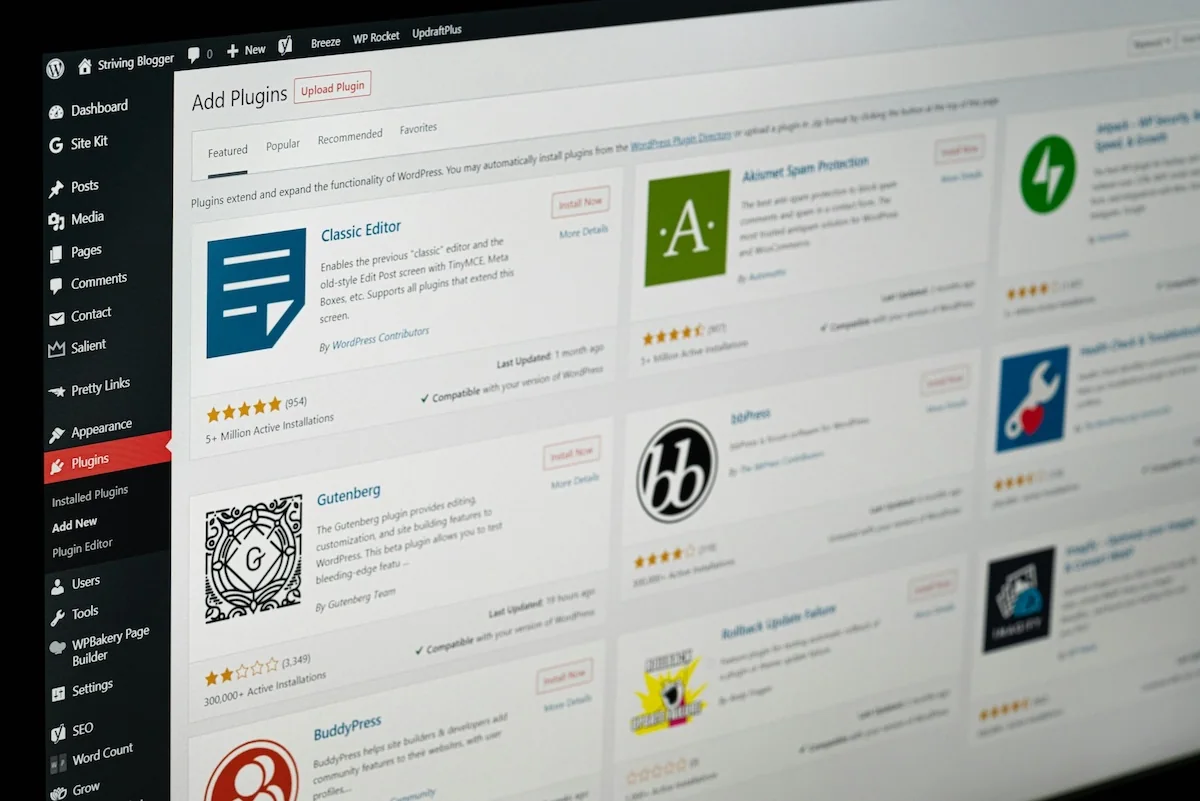
Bolting Yoast onto WordPress and calling it SEO stopped working years ago. Here is the stack Australian sites actually need in 2026 — and where the old plugin pile quietly costs you.
SEO Guide 2026
The SEO guide for 2026 unifies classic fundamentals — intent, structure, authority, speed — with the new visibility layer across AI engines: AI Overviews, ChatGPT, Gemini and Perplexity.
SEO for Gemini
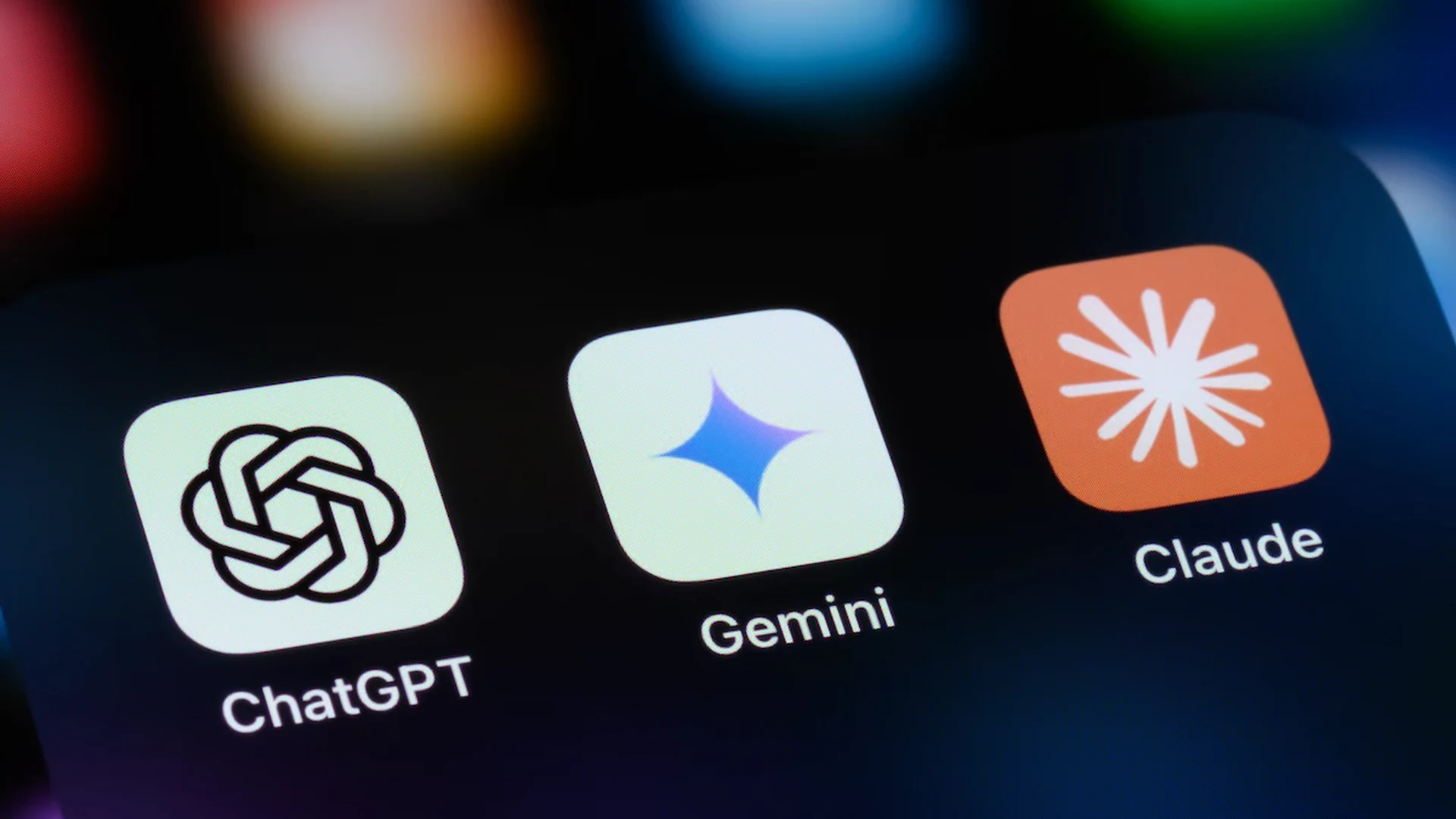
SEO for Gemini means optimising your brand so Gemini — Google's AI integrated across Search, Workspace and Android — interprets, cites and recommends it.

Schema Markup Guide
The fastest way to make a page legible to Google and citable by ChatGPT, Gemini, Claude, and Perplexity is the same: ship valid JSON-LD on every template, every type that fits, no exceptions.

SaaS Marketing Agency
Australian SaaS grew four times in five years. The local marketing agency model did not. This is the operator stack already replacing the 2019 retainer playbook — with the numbers, the FX trap, and three founder vignettes.

Airops Alternatives
AI content workflow tools solved the wrong problem at the exact moment search shifted from output to authority. Here is the AI SEO software built around AI citations, indexation velocity, and revenue — not pipelines you have to maintain.

SEO for Australian SaaS
SEO for Australian SaaS is the operating playbook for B2B software companies founded, headquartered or targeting buyers in Australia — covering the three audience modes (AU-only, APAC-expanding, global-from-AU), the four organic pillars that actually move ARR, the KPIs that matter, and the mistakes we see every quarter from Sydney and Melbourne SaaS teams.

Law Firm SEO
The complete law firm SEO guide for Australian firms — whether you DIY or hire. Local SEO and Google Business Profile, practice-area content, schema, E-E-A-T, reviews, AI Overviews, plus what it costs in AUD, how long it takes, and SEO versus Google Ads.

SEO for hotels
SEO for hotels combines organic rankings, Google Hotel Search, Maps, and Hotel/Room/Offer schema to grow direct bookings and reduce OTA dependency.

Google's Year in Search 2025 in Australia
What Australia actually typed into Google in 2025 — events, public figures, sport, food and how-to queries — with the read a senior SEO takes from the data into 2026.

SEO Agency Software
The classic Sydney SEO retainer worked for fifteen years; in 2026 a profitable agency model needs software with senior methodology codified, not more headcount.

SEO services in Sydney
Sydney is Australia's most competitive organic search market, and the gap between agencies that ship SEO as a line item and senior operators is the gap between flat traffic and compounding pipeline.

Semrush Alternatives
A full Semrush seat is enterprise breadth on an in-house-of-three budget — and most lean Australian teams use a fraction of it. Here's how AU agencies and in-house marketers get the same job done for less, and stay visible as APAC search shifts to AI.

What's an AI SEO Software
AI SEO software encodes senior strategist methodology so an Australian marketing team can plan, write, audit, schema, publish, and track content across Google and AI answer engines from one platform.

Page Speed Insights
Google’s free Page Speed Insights tool grades your site on speed, accessibility and SEO — but the score is the easy part. Here’s what it actually measures, why it moves rankings and revenue for Australian sites, and how to turn a red report into a prioritised action plan.

Shopify SEO
What real Shopify SEO looks like — and what 10x organic growth on a real Shopify store looks like in Google Search Console.
SEO Marketing for Small Business
SEO marketing for small business in Australia is the highest-ROI growth channel a sub-AUD 5M operator can run, and a $249/mo software stack now beats both the cheap freelancer and the enterprise agency.
Free AI SEO audit — for your site, in 24 hours
We'll review your site's rank, AI visibility (ChatGPT, Gemini, Claude, Perplexity, Google AI Overview), and the three highest-leverage fixes. Sent by email within 24 hours. No call required.
Audited by humans, not an automated PDF generator. Within 24 hours.
Your Growth Operating System Starts Here
Connect GSC + GA4. See your data in the OS. Your first content brief, technical audit, and rank baseline — ready within hours.