
Google's Year in Search 2025 in Australia

What Australia actually typed into Google in 2025 — events, public figures, sport, food and how-to queries — with the read a senior SEO takes from the data into 2026.

Google's Year in Search 2025 in Australia is the most honest public read we get each year on what the country actually cared about — the events that broke through, the names that became unavoidable, and the questions people typed when something was urgent. It is not a keyword volume report. It is a cultural mirror. For marketers, founders and SEOs operating in Australia in 2026, that mirror is worth reading properly: it tells you what the AU-specific attention economy looked like last year, and it surfaces content gaps that keyword tools alone will not show you.
This guide is structured around the categories Google publishes, what each one signals for 2026 strategy, and three specific moves to turn the dataset into actual rankings — not a recap blog post.
What Google's Year in Search actually is
Every December, Google publishes a country-by-country summary of the searches that rose the most over the year. The data is ranked by relative growth — how much more a query was searched in 2025 compared with 2024 — and not by absolute volume. That framing matters. A query can finish in the Top 10 without being high-volume in absolute terms; it just needs to have spiked hard. Year in Search is therefore a momentum list, not a traffic list.
Google filters the dataset aggressively. Repetitive, sensitive or generic queries (“weather”, “news”, adult content) are excluded. What remains is a curated sample of the year's emergent curiosity — the stories that made Australians reach for their phones, the public figures who suddenly mattered, the recipes that travelled through TikTok into Google.
The categories Google publishes for Australia
The Australian breakdown is consistent year on year and reads like a field guide to the national attention span. The categories below are the ones Google typically ships; occasional one-off categories appear when a cultural moment justifies them.
| Category | What it captures | SEO signal |
|---|---|---|
| Overall | The biggest rising queries across every vertical | Sets the baseline. Usually mixes sport, news events and one or two pop-culture moments |
| News | News stories that defined the Australian media cycle | Highest signal for publishers. Indicates which narratives dominated organic news traffic |
| People | Public figures — politicians, media personalities, unexpected names | Surfaces reputation-search spikes and potential brand-name SEO opportunities |
| Athletes | Sport-adjacent names, heavy on AFL, NRL, cricket, Olympics | The strongest evergreen vertical in AU — reliable topical traffic if your business intersects |
| Movies, TV Shows, Songs | Entertainment queries that grew fastest | Useful for publishers, streaming adjacent services, content discovery products |
| Recipes | Cooking queries that trended through the year | Direct revenue signal for food brands, meal-kit services, FMCG |
| How-to | Practical questions — "how to", "how do I" | The most useful category for B2B and SaaS — reveals where explainer content converts |
| Near Me | Queries with local intent that spiked in AU | Signal for local SEO, GBP strategy and schema LocalBusiness optimisation |
| Passed Away | Obituary and legacy searches | Sensitive but publisher-relevant — drives consistent annual traffic around anniversaries |
Overall top searches in Australia in 2025
The Overall category in 2025 followed the pattern AU has shown almost every year of the last decade: a heavy weighting toward sport and live-event queries, a cluster of news stories that reflected the year's political and economic temperature, and a handful of entertainment moments that travelled from social media into Google. What shifts year on year is the proportion — some years news dominates, other years sport pulls ahead, and occasionally a single pop-culture moment absorbs a chunk of the Top 10.
The practical read for 2026: if your editorial calendar does not have a plan for Australia's major sporting windows (AFL and NRL seasons, the Australian Open, State of Origin, the Melbourne Cup) and does not react quickly to breaking AU news stories, you are structurally absent from the Overall tier. That is a strategic choice, not a bug — most brands should not chase news cycles — but you should make the choice consciously.
News events that defined the 2025 Australian feed
The News list is the most useful signal for publishers and content-led brands whose audiences overlap with current affairs. Australia in 2025 was shaped by the same macro themes the rest of the developed world tracked — cost-of-living pressure, interest-rate decisions, climate events, geopolitical developments — plus the AU-specific stories: federal and state political shifts, natural-disaster response, and the cycle of sporting grand finals and major tournaments.
Two observations matter for 2026. First, AI Overviews and ChatGPT Search are now the default top-of-SERP for news queries — which means the ranking battle is no longer about position one, it is about being cited inside the AI summary. Second, obituaries and passed-away queries consistently convert into long-tail traffic for years after the event; publishers who invested in comprehensive obituary coverage in 2025 will still be earning organic traffic from those pages in 2027.
People, athletes and public figures Australians searched
Australia's attention is disproportionately sporting. In any given Year in Search, the Athletes list is longer, richer and more predictable than the People list — AFL and NRL players dominate, with cricketers and Olympians making regular appearances, and tennis spiking every January around the Australian Open. The People list is more volatile: politicians, media personalities, and the occasional unexpected name (a subject of a Four Corners investigation, a contestant from a reality franchise, a figure whose private life became briefly public).
For brands, the People and Athletes lists are most actionable as a filter for influencer and partnership decisions. If a name ranks in Year in Search, they carry search-demand momentum that you can measure — it is a harder datapoint than follower count.
Sport, AFL and NRL — the dominant vertical
Sport is where Australian organic search is structurally different from the US, the UK and the rest of APAC. AFL, NRL and cricket collectively account for a share of AU search that no other category touches, and the cadence is predictable — home-and-away season, finals, grand final week, off-season trade rumours, pre-season. If your business has any adjacency to sport — betting, merchandise, hospitality, travel, fitness, nutrition, even B2B SaaS sold to clubs — you are leaving traffic on the table by not mapping content to those windows.
How-to, recipes and "near me" — the utility searches
The How-to, Recipes and Near Me categories are where Year in Search becomes directly actionable for commercial brands. How-to is the B2B and SaaS signal — it reveals which practical questions Australians needed answered this year. Recipes tells FMCG, meal-kit and DTC food brands exactly which flavour profiles and dishes rode social-media momentum into Google. Near Me is the local-SEO signal — every Near Me query in Year in Search is a category where local optimisation (GBP, reviews, LocalBusiness schema, NAP consistency) can still yield obvious wins in 2026.
The rising weight of Near Me also reflects a bigger shift: Australians are increasingly comfortable speaking queries into Google Assistant and Gemini Live, which changes the ideal length, structure and schema of a local-intent page. The winning page is not the longest — it is the most cleanly answered.
What Australian search trends signal for 2026 SEO strategy
Three structural shifts read clearly out of the 2025 Year in Search data and should shape any 2026 AU organic plan:
- Question-form queries are now the dominant commercial intent. How-to, “what is”, “can I”, “should I” queries are the ones AI Overviews and Gemini cite. If your content is written as a reference article rather than a direct answer, you lose the citation.
- Near Me is no longer “just local SEO”. It is now an AI Overviews signal — Google blends local pack results into AI-generated responses more aggressively than in 2024. LocalBusiness schema and GBP freshness matter more than they did.
- News and events are compressed into AI answers. The value of being position one on a breaking news query is half what it was two years ago. The value of being the source AI Overviews cites is triple.
Three moves to turn Year in Search data into rankings
Do not write a “Year in Search recap” post — every news site and most agencies will. Instead, extract signal and convert it into compounding assets.
Build content against rising curiosity queries, not just transactional ones
Take the How-to list for 2025, cross-reference it against your product or service, and pick two queries where you have genuine expertise. Write answer-first pages — the question as H1, a direct 40-60 word answer in the first paragraph, supporting detail below. That structure is what AI Overviews lifts verbatim. Your goal is not to rank first on the blue link. Your goal is to be the citation inside the summary.
Use the trend list to pick internal linking priorities
Year in Search is effectively a public relevance vote. If a category or topic appears in the AU list, Google is telling you which topical clusters carry momentum. Rewire your internal links to point more aggressively at the pages in your existing architecture that match those clusters — you will lift rankings on pages you already have, without writing new content.
Map question-type queries to AI Overviews and Gemini citations
For every How-to or question-form query you target, audit whether your page is actually structured for AI extraction: H2 as the question, direct answer in the opening, FAQPage schema carrying the full Q/A pair, coherent entity linking to related pages. The citation rate of AU-based content inside Gemini and AI Overviews roughly doubles when these three elements are all present. It is the cheapest structural upgrade on a site.
Frequently asked questions
What is Google's Year in Search 2025 in Australia?+
Google's Year in Search 2025 in Australia is Google's annual release — published each December — of the searches that rose the most over the year, broken down by country. For Australia it is organised into categories (Overall, News, People, Athletes, Movies, TV Shows, Recipes, How-to, Near Me, and Passed Away), and it ranks queries by relative growth, not absolute volume. That distinction matters — it is not a list of what Australians searched most, it is a list of what moved hardest. It reflects collective national curiosity: the events that broke into the mainstream, the names that suddenly mattered, the questions people needed answered in a hurry. For marketers, founders and SEOs, it is the closest thing we have to a public read on Australian attention in 2025.
How is Year in Search data useful for SEO in 2026?+
Three ways. First, the rising-curiosity queries in the News and How-to categories signal informational gaps that publishers and AI Overviews were not quite satisfying at the time — backfilling that content now captures residual demand and positions you for the next cycle of related queries. Second, the category structure mirrors how Google and Gemini internally cluster topical authority — if your site already covers, say, recipes or explainers, look at the adjacent categories your editorial calendar has been ignoring. Third, the data gives you a defensible reason to greenlight content bets with your leadership team — a query that grew fast in 2025 AU data is easier to argue for than one that did not appear anywhere Google publicly measured.
Does Google release search volume numbers for each query?+
No — and that is the most commonly misunderstood part of Year in Search. Google ranks by the relative increase in search interest year over year, not by total volume. A query can rank in the Top 10 without necessarily being high-volume in absolute terms; it simply needs to have spiked. That means you should not treat a Year in Search appearance as proof of a big, sustained keyword opportunity. Use it as a demand signal, then verify with Google Trends, Search Console, or a keyword tool before committing to a content build. The absence of volume numbers is a feature, not a bug — it protects privacy and it reframes the list around cultural momentum rather than raw traffic.
Which categories does Google publish for the Australian market?+
The standard AU breakdown typically includes: Overall (the top trending searches of the year), News (the stories that defined the Australian media cycle), People (public figures, not just celebrities), Athletes (always heavily weighted toward AFL, NRL, cricket and Olympians), Movies, TV Shows, Songs, Recipes, How-to, Near Me (local intent), and Passed Away (a category that matters more than it sounds — obituary traffic is a real publisher revenue line). Not every category has published every year, but those are the consistent ones. Google sometimes adds one-off categories tied to a cultural moment — a major election, a global sporting event hosted in Australia, or a natural disaster.
Is Year in Search the same as Google Trends?+
They are from the same data source but they serve different jobs. Google Trends is a live query tool — you pick a keyword, a region and a timeframe, and you get a chart. Year in Search is a curated annual summary — Google's data team picks the top movers, validates them, filters out spammy or sensitive queries, and publishes a ranked list. Use Trends when you need to test a specific idea ("is demand for X growing in Victoria this quarter?"). Use Year in Search to find ideas you would not have thought to test — the annual list surfaces cultural themes that never show up in keyword tools because they rise and fall inside a single calendar year.
How should an Australian SaaS or e-commerce brand use this data?+
Match the category to your business. A DTC food brand should live in the Recipes list — pick three that your ingredient set overlaps with, ship a recipe + product bundle content piece, and link it internally from your main category pages. A SaaS brand should focus on How-to and News queries in their vertical — the How-to list tells you what practical questions spiked, and the News list often explains why. A local services business should pay attention to Near Me — those are queries Australians are now comfortable voicing into Google Assistant and Gemini, which changes the schema and GBP optimisation playbook. The worst mistake is scrolling the list and writing a generic "Year in Search recap" post — that is a commodity piece hundreds of sites will also publish. Pick two queries, go deep, and link them into your commercial architecture.
Follow SEOTopSecret on LinkedIn
Weekly posts on AI SEO, GEO and growth operating systems. No fluff.
Set SEOTopSecret as a preferred source
See more of our coverage in Top Stories on Google.
Keep reading

Why I built SEOTopSecret
After 25 years leading senior SEO for 100+ brands across four continents, the lesson stayed the same: the bottleneck was never the work — it was encoding how a senior consultant thinks so that thinking could run 24/7.
SEO conferences 2026
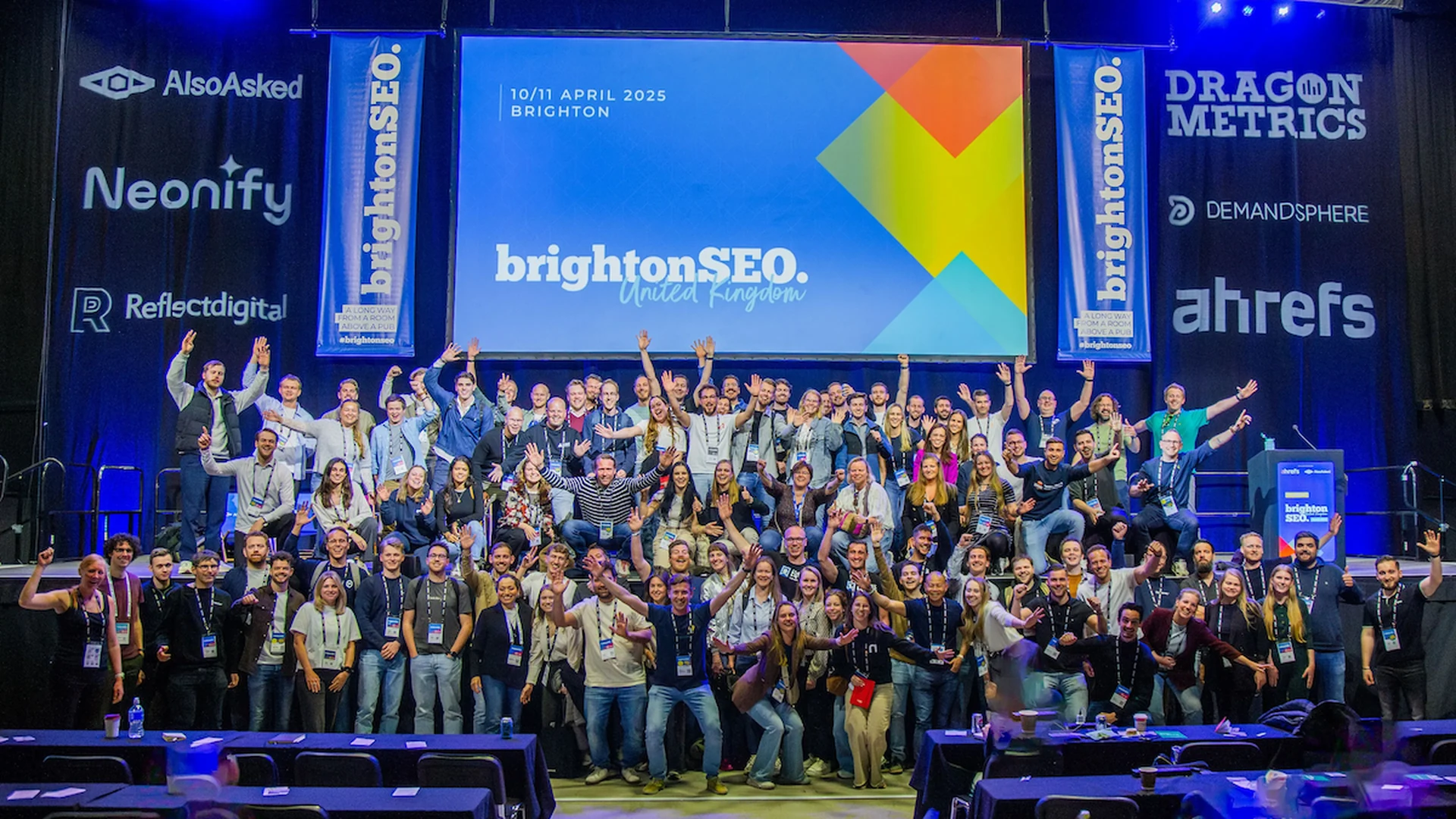
The curated guide to the global and regional SEO 2026 conferences worth attending — with an APAC and Australian lens, plus an ROI framework for each event.

Coworking near me
Searching coworking near me usually means a meeting tomorrow, a hybrid team that needs a base, or a founder tired of working from the kitchen bench — three different problems with three different answers. This guide ranks verified spaces in every Australian state and territory.