
SEO conferences 2026
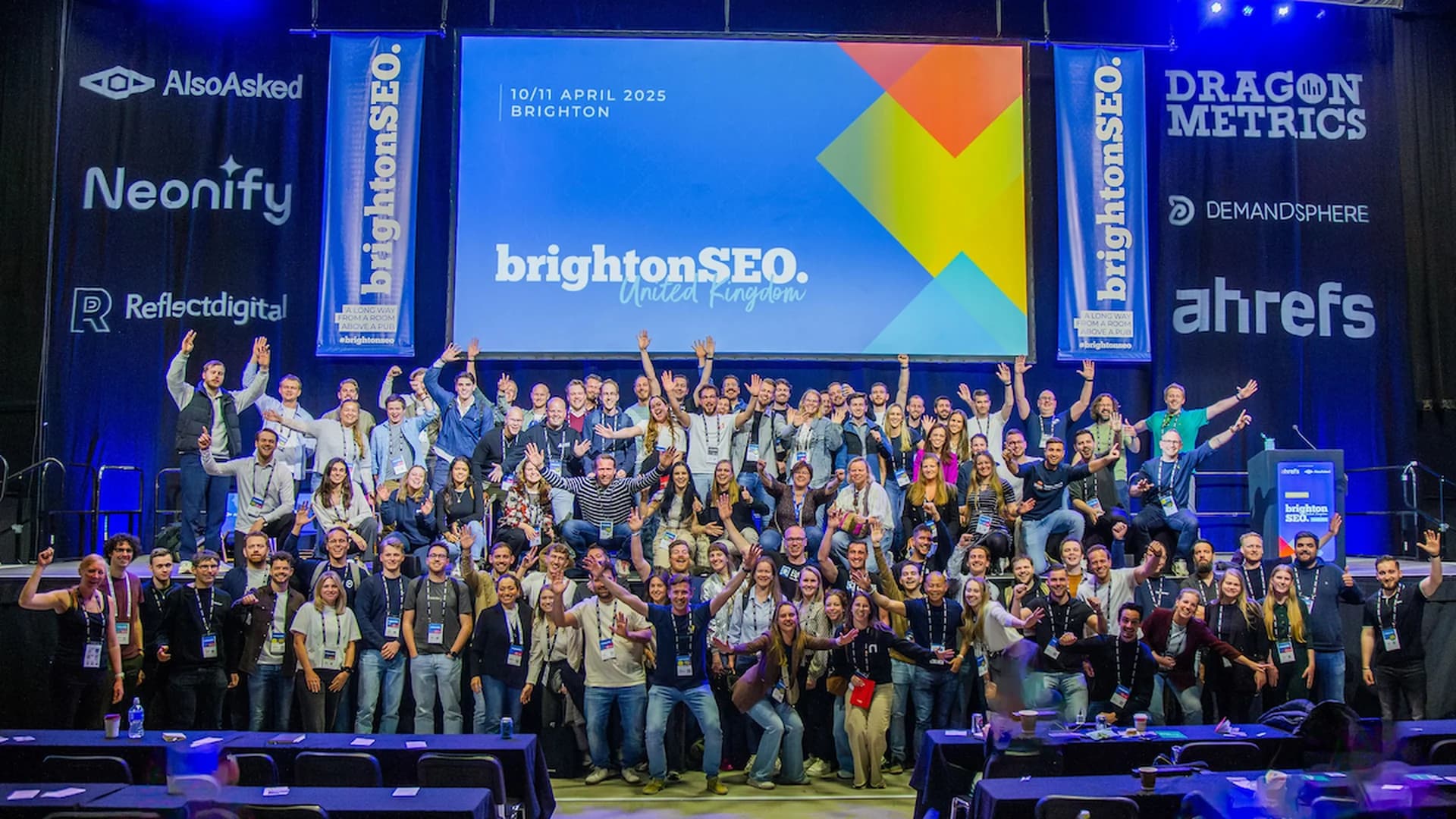
The curated guide to the global and regional SEO 2026 conferences worth attending — with an APAC and Australian lens, plus an ROI framework for each event.

The SEO conference calendar changed more in 2024–2026 than in the previous ten years combined. The reason is obvious: SEO stopped being a relatively stable technical discipline and became a field in continuous reinvention, driven by AI Overviews, ChatGPT Search, Perplexity, Gemini and the emerging practice of GEO (Generative Engine Optimization). SEO conferences 2026 reflect that shift — the tier-1 classics remain relevant but are no longer enough on their own. This is the first year a serious SEO professional needs to be present at at least one new, AI-search-specific event to stay inside the conversation shaping the next three years.
This guide is the curated list we use at SEOTopSecret to decide which events we attend and which ones we send representation to, with a deliberate focus on what makes sense from Australia and the broader APAC region — where travel cost is the dominant factor in every conference decision.
Why SEO conferences still matter in 2026
A recurring critique is that with YouTube, podcasts, Twitter/X and open Substacks, conference content no longer justifies the cost. That's only half true. What hasn't become free is:
- High-level networking — a dinner with Kevin Indig, Aleyda Solís, Lily Ray or Rand Fishkin is, literally, worth more than a year of paid subscriptions.
- Unrecorded conversations — closed workshops, small-room deep dives, the advice speakers only give in the hallway.
- Personal brand exposure — if you're building an agency or a SaaS, a BrightonSEO talk positions you more than 50 LinkedIn posts.
- Bubble break — you connect with operators from markets you hadn't considered and discover tactics that don't circulate in your timeline. Critical from Australia, where the local SEO community is small.
“Technical content is free in 2026. What you pay for at a conference is access to the network of people producing and validating it.”
The 6 must-attend tier-1 global conferences
This is the core of the global calendar. If you can only attend one or two a year from Australia, pick from this list. The dates are typical — always verify on the official site before booking.
| Conference | Typical location | Month | Focus | Why attend |
|---|---|---|---|---|
| BrightonSEO | Brighton (UK) + remote | April and October | Technical SEO + on-page + content | The most loved SEO conference in the world. Two editions per year, cheap tickets, top speakers, legendary after-parties |
| MozCon | Seattle (USA) | July | Strategic SEO + data science | Very high editorial curation. Long talks (45 min), not rapid format. Excellent US networking |
| SMX Advanced | Seattle + remote | June–July | Technical SEO + advanced paid search | For senior operators. Dense content, no filler. Part of the Search Engine Land ecosystem |
| Pubcon | Las Vegas / Florida | September–October | SEO + affiliate + paid media | The US classic. Interesting mix of large agency + independent affiliate + platforms |
| INBOUND (HubSpot) | Boston (USA) | September | Digital marketing general + AI + SEO | Larger than an SEO-only event (~11,000 attendees). Good balance of SEO and demand gen. High-profile keynotes |
| Chiang Mai SEO Conference | Chiang Mai (Thailand) | November | SEO black/grey hat + affiliate | Legendary on the affiliate circuit. APAC-friendly travel from Australia. Very different tone from the corporate ones — honest, technical, no filter |
AI search and GEO-focused conferences
In 2026, for the first time, a new category appears: events dedicated entirely to generative-engine optimisation (ChatGPT, Perplexity, Gemini, Claude). They're smaller than the tier-1 classics but content quality is high because they address advanced operators.
- GEO Summit: first event dedicated 100% to Generative Engine Optimization. Technical agenda, speakers from OpenAI, Perplexity and large brands that already have dedicated GEO teams.
- AI-Ready Content Conference: focused on producing content optimised to be cited by LLMs. Tracks on schema, llms.txt, prompt-friendly content.
- Amaze Conference: global SEO + AI + automation event uniting 400+ agency owners, enterprise marketers and SaaS founders. Tracks cover the future of search, AI-driven marketing and scalable agency growth systems. December 10–12, Hyatt Regency, Chandigarh (India).
- The AI Conference / AI Engineer Summit: not SEO events per se, but increasing numbers of SEOs attend to understand how the models work under the hood. Useful if you operate at strategic level or build product.
- AI tracks inside BrightonSEO, MozCon and SMX: every tier-1 classic already has dedicated AI-search tracks. If you attend a tier-1, do not skip those sessions.
APAC and Australia picks
From Australia, travel cost is the dominant factor in every conference decision. These are the regional options worth weighing before booking a long-haul flight to the UK or US:
- Chiang Mai SEO Conference (Thailand, November): the biggest APAC-based SEO event. Strong Australian contingent every year. ~10-hour flight from Sydney / Melbourne, budget hotels in Chiang Mai keep total cost well below a UK/US trip.
- State of Search (Australian edition): when held locally, it's the most concentrated Australian SEO gathering. Verify the current year's schedule on the official site.
- SXSW Sydney: broad tech conference but with strong content/SEO/AI tracks. Useful for networking beyond pure SEO.
- ADMA and IAB events: Australian industry bodies run conferences with solid SEO/digital marketing tracks. More general than SEO-specific.
- Melbourne and Sydney SEO meetups: not conferences, but the best free networking in the country. Check SEOFOMO and Meetup.com listings monthly.
- Singapore and Bangkok regional events: affiliate marketing and iGaming conferences in these cities consistently draw strong SEO crowds.
Confirmed 2026 dates worth blocking now
These are the additional 2026 events with confirmed dates worth adding to your calendar. The Sydney SEO Conference is the standout for Australian SEOs — no long-haul flight required. Always re-verify on the official site before booking.
- Sydney SEO Conference — March 19–20, 2026 — Sydney, Australia. The local pick for Australian SEOs — no international travel needed.
- SMX Munich — March 10–11, 2026 — Munich, Germany. Europe's largest search conference.
- BrightonSEO Spring — April 30–May 1, 2026 — Brighton, UK.
- HiveMCR — May 21–22, 2026 — Manchester, UK.
- SearchLab — June 26, 2026 — London, UK.
- BrightonSEO San Diego — September 15–16, 2026 — San Diego, USA. The US edition of BrightonSEO.
- SEOktoberfest G50 — September 20–25, 2026.
- SMX Advanced — September 29–October 1, 2026 — Berlin, Germany.
- BrightonSEO Fall — October 8–9, 2026 — Brighton, UK.
Virtual vs in-person — which to pick
From Australia, the virtual option is more attractive than from almost any other market because of travel time. Almost every tier-1 offers a virtual option. The decision depends on the goal:
| Goal | Virtual | In-person |
|---|---|---|
| Learn new tactics | Excellent — recorded talks, rewatch, no jet lag | Good — but you pay for what you find recorded |
| Networking and partnerships | Poor — breakout rooms don't replace an after-party | Critical — builds most of the ROI |
| Close agency leads | Low — rarely happens virtually | High — hallways are the best consultative sales |
| Build personal brand | Low — nobody remembers you from a chat panel | High — if you give a talk, it's a calling card for years |
| Cost from Australia | AUD 150–900 typical | AUD 6,500–12,000 for US/UK; AUD 3,500–5,000 for APAC |
| Time invested | 2–4 days partially | 7–10 days fully blocked including travel |
ROI framework — how to decide which one to attend
An international conference averages AUD 8,500 all-in from Australia when you attend in person. To justify that, the return needs to hit at least one of these three dimensions:
- Direct commercial return: will you come back with 2+ real leads or 1 closed partnership? If your average ticket is AUD 7,500/month, a single new client pays the event several times over.
- Applicable learning return: will you leave with 3+ concrete tactics you'll implement the following week and that will move KPIs? Measurable in rankings, traffic or revenue within 60–90 days.
- Brand / network return: will you meet 5+ people you couldn't reach via cold outreach? These contacts compound in value over years. From Australia the isolation premium is real — breaking your local bubble has outsized long-term value.
Playbook to maximise every conference
Before (2 weeks out)
- List the 10 speakers and 15 attendees you want to talk to. Send them a short LinkedIn or Twitter/X message saying you'll be there and suggesting a 15-minute coffee.
- Review the full agenda and build a personal calendar of must-attend sessions. Don't improvise on the day.
- Prepare your 30-second elevator pitch — what you do, for whom, with what result. You'll repeat it 40 times.
- From Australia specifically: arrive 1–2 days early to kill jet lag before the opening keynote. Flying in the morning of the event is a guaranteed way to waste the first day.
During
- Prioritise hallways over sessions when there's a conflict. Talks are recorded, conversations aren't.
- Attend every possible after-party — 60% of networking happens after 8pm.
- Take raw notes on tactics and cite them in your next article or client report with credit to the speaker — generates goodwill.
- Exchange contacts on the spot. Don't trust scanning a QR and contacting later.
After (first week post-event)
- Send follow-up to every contact within 7 days — after that they don't remember you.
- Write an internal summary for your team with the 5 most relevant tactics. Turn individual learning into company advantage.
- Publish a LinkedIn post with your 3 takeaways — closes the personal-brand loop and justifies the investment to your team or CFO.
The 5 most common mistakes at SEO conferences
- Going without an objective. “Let's see what I learn” rarely pays for the ticket. Define which decision you'll make better thanks to what you learn.
- Attending every single session. After day 1 you're saturated. Fewer sessions + more hallway = better ROI.
- Skipping the after-parties. That's where 60% of useful networking happens. Don't cancel any.
- No follow-up. 90% of conference contacts are lost for lack of a follow-up message in the first week.
- Attending only the same event every year. You stay in the same bubble. Rotating at least one per year expands your network exponentially.
Closing: pick two events, not seven
The biggest strategic mistake in 2026 is trying to go to everything — and from Australia, where every international trip is long-haul, the stakes on this decision are higher than almost anywhere else. Better option: pick two events a year with clear intent — one global tier-1 (BrightonSEO, MozCon or SMX) and one AI-search-specific (GEO Summit or similar) — and go deep on both. Repeating the same pair for 2–3 consecutive years builds reputation better than rotating events every semester.
Complement this guide with our SEO for ChatGPT and SEO guide 2026 for the strategic context behind the AI-search tracks that will dominate this year's conference calendar.
Frequently asked questions
Which are the most important SEO conferences in 2026?+
The six global tier-1 events are still BrightonSEO (UK, April and October editions), MozCon (Seattle, summer), SMX Advanced (Seattle + regional editions), Pubcon (US, autumn), INBOUND by HubSpot (Boston, September) and Chiang Mai SEO Conference (Thailand, November). Added to these are new AI-focused events like GEO Summit and AI-Ready Content Conference, which already carry the same weight as the classics in any serious SEO's calendar. Exact dates shift yearly — always verify on the official site before booking flights.
Is it worth travelling to an SEO conference or is virtual enough?+
Depends on the goal. If you're there to learn new tactics, a virtual conference with recording gives you 80% of the value at 10% of the cost — MozCon Virtual, SMX Next and BrightonSEO Remote cover that. If you're there for networking, partnerships, closing clients or building industry reputation, in-person has no substitute — the real contacts happen at after-parties and hallways, not on Zoom. Simple rule: if you bill less than AUD 750K a year, prioritise virtual. If your business depends on industry relationships, invest in at least one in-person conference per year.
Which SEO conferences happen in Australia or APAC?+
The Australian market has historically had fewer dedicated SEO conferences than the US or UK, but the picture is improving. Worth considering: State of Search (Australian edition), the SEO track inside ADMA events, SXSW Sydney (broad tech with strong SEO/content tracks) and Melbourne/Sydney SEO meetups. Regionally: Chiang Mai SEO Conference (Thailand, November) is the biggest APAC-based event and draws a strong Australian crowd every year. Most serious Australian SEOs also travel to BrightonSEO or MozCon once a year.
How much does attending an international SEO conference cost from Australia?+
Realistic budget for a tier-1 in-person event from Australia: ticket AUD 1,800–3,800 (early bird saves 30–40%), flight AUD 2,500–4,500 for long-haul to US/UK, hotel AUD 300–600 per night × 4–5 nights, meals and transport AUD 500–800. Total AUD 6,500–12,000 per international attendance. APAC events like Chiang Mai SEO or State of Search AU keep it closer to AUD 3,500–5,000 total. That's why strategic conference selection matters more from Australia than almost anywhere else — travel dominates the cost structure.
Are SEO conferences still worth it when all the content is free on YouTube?+
Yes, but for different reasons than 10 years ago. Tactical content lives on YouTube, podcasts and Twitter/X — you have free access to that. What doesn't exist online is: (1) high-level networking with speakers, tool founders and decision-makers; (2) unpublished information shared only in closed workshops or private conversations; (3) personal-brand exposure if you're building industry reputation; (4) trips that break you out of your bubble and connect you with operators from other markets. Content is free — the network is what you pay for.
Which AI search and GEO events should I add to my calendar?+
In 2026 there are three AI-search-specific events worth considering: GEO Summit (first event dedicated 100% to Generative Engine Optimization), AI-Ready Content Conference (focused on producing content optimised for LLM citation) and the AI tracks that BrightonSEO, MozCon and SMX have already integrated into their main agendas. Additionally, general AI events like AI Engineer Summit and The AI Conference are attracting increasing numbers of SEOs who want to understand how the models work under the hood. The line between SEO and AI is disappearing — attend at least one from each side.
Follow SEOTopSecret on LinkedIn
Weekly posts on AI SEO, GEO and growth operating systems. No fluff.
Set SEOTopSecret as a preferred source
See more of our coverage in Top Stories on Google.
Keep reading

Why I built SEOTopSecret
After 25 years leading senior SEO for 100+ brands across four continents, the lesson stayed the same: the bottleneck was never the work — it was encoding how a senior consultant thinks so that thinking could run 24/7.
Coworking near me
Searching coworking near me usually means a meeting tomorrow, a hybrid team that needs a base, or a founder tired of working from the kitchen bench — three different problems with three different answers. This guide ranks verified spaces in every Australian state and territory.
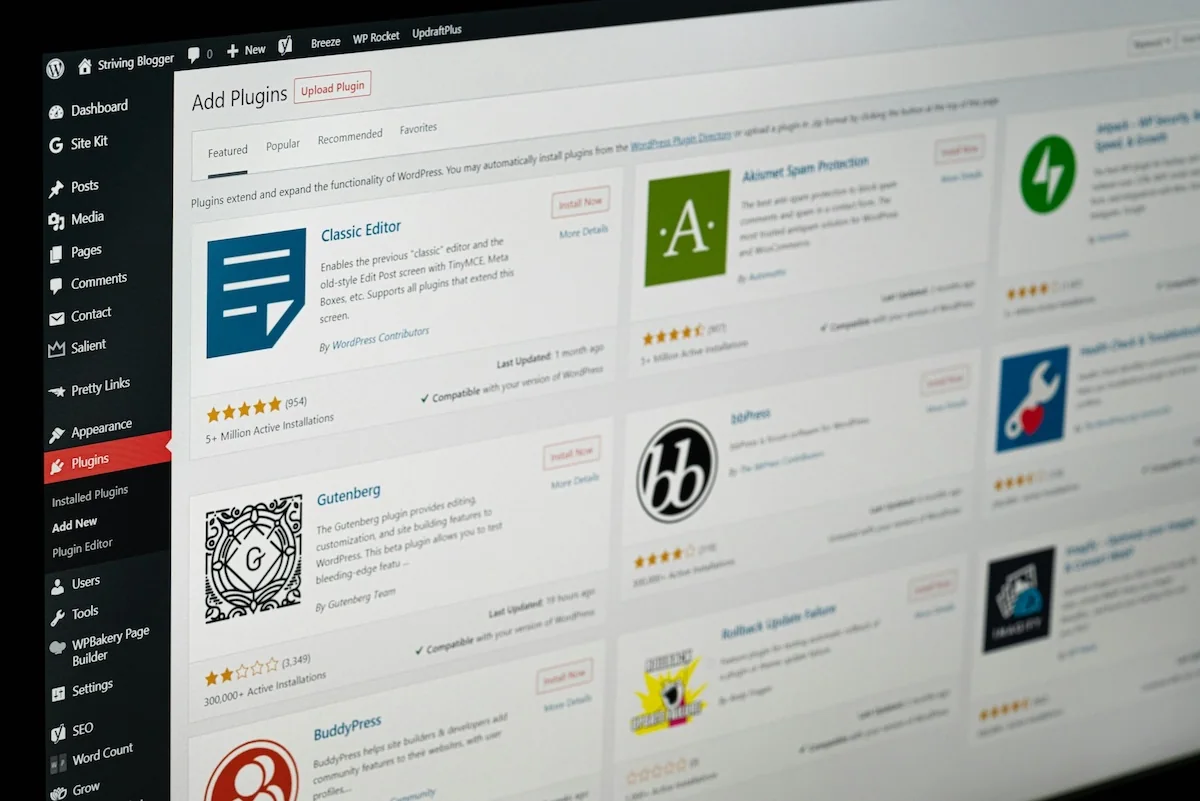
SEO Services for WordPress
Bolting Yoast onto WordPress and calling it SEO stopped working years ago. Here is the stack Australian sites actually need in 2026 — and where the old plugin pile quietly costs you.